
— 800 years of history
The Women's Tower
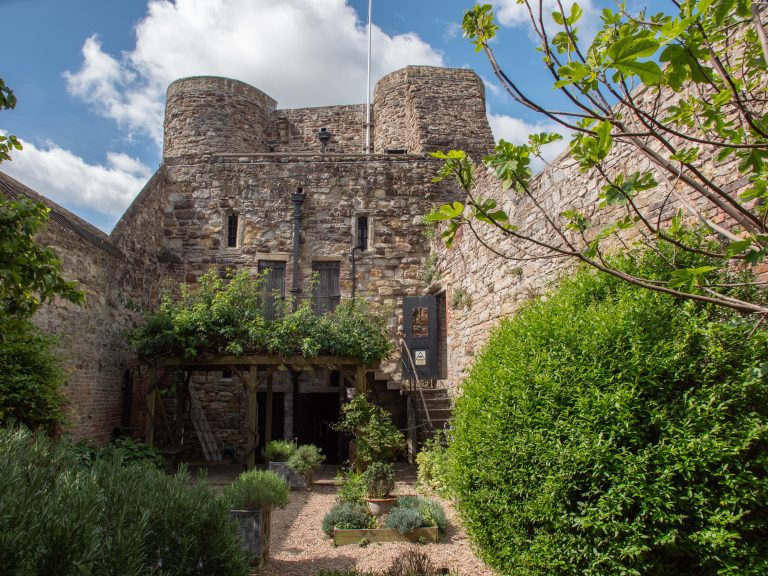
The Women’s Tower, situated at the far end of the Medieval Garden, is a place that leaves a lasting impression on visitors.
It was purpose-built in 1857 to house female prisoners separately from the men held in the main Ypres Tower. The renowned prison reformer Elizabeth Fry, who is documented as visiting Rye in the 1830s, was a major catalyst for this change.
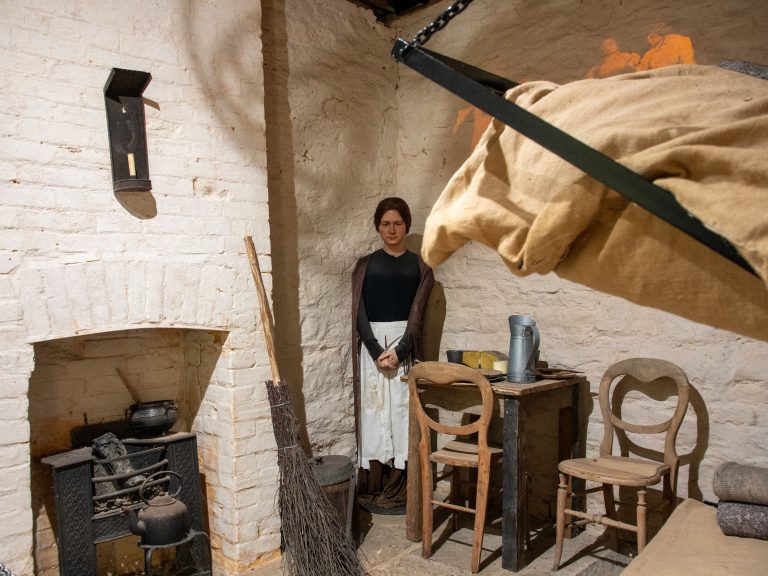
The tower held four cells. It wasn’t comfortable, but it was an improvement. There were beds. A fireplace. Small things that mattered enormously to the women inside.
Daily life was hard. Prisoners spent long hours picking apart old rope, sewing sacks, and keeping their cells clean. They were allowed one hour of exercise a day, taken in silence. Children were often held here too, kept close to their mothers during their sentences.
Inside, you can explore a recreation of life in the tower, drawn from the real stories of two women known to have been imprisoned here. It’s a thought-provoking corner of the site and a genuine piece of social history.
The Women’s Tower is thought to be one of the earliest purpose-built women’s prisons in Britain.

— 800 years of history
The Medieval Herb Garden
It’s hard to believe this peaceful little garden was once a prison exercise yard. Women held in the nearby Women’s Tower took their one permitted hour outside here each day, walking in silence. A sobering thought in such a tranquil spot.
Today the garden is planted with herbs that would have been at home in any medieval castle household. Cooking, medicine, everyday household use. These plants did it all. In summer the beds are fragrant and full of colour, and it’s a lovely place to take a breath before exploring further.
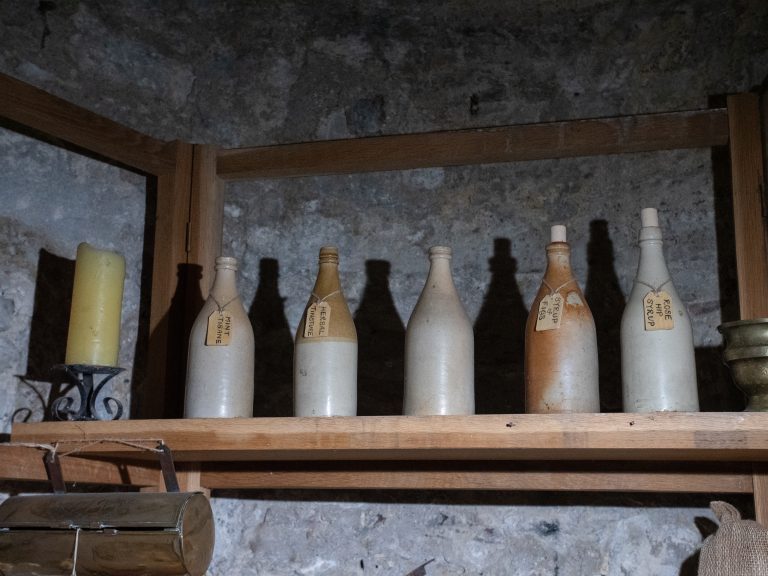
Take a look at the Still Room inside the tower too. That’s where herbs were dried and prepared once harvested, and it brings the garden to life in a really satisfying way. The two spaces are best visited together.
If you want a different perspective on the garden, head up to the first floor balcony of the Ypres Tower. You can look straight down over the beds from up there, and the view across the rooftops beyond is well worth the climb.
A small space, but one with a lot to say.
— 800 years of history
The Viewing Terrace
Make your way up the winding staircase and step out onto the viewing terrace. It’s one of the best vantage points in East Sussex, and well worth the climb.
The view is sweeping. Romney Marsh stretches out below you, and on a clear day you can spot Dungeness on the horizon. The River Rother snakes through the landscape towards Rye Harbour, with Camber visible in the distance. On an exceptionally clear day, you might even catch a glimpse of France.
To help you take it all in, there are direction maps right there on the balcony pointing out exactly what you’re looking at. Rye Harbour, the Rock Channel, former shipbuilding sites, the nearest wind farm. The view is full of layers once you know where to look.
What gives it an extra dimension is the history behind the landscape itself. All that marshland below was once open sea. Ships came and went where fields now sit quietly. Standing up here, that’s not hard to believe


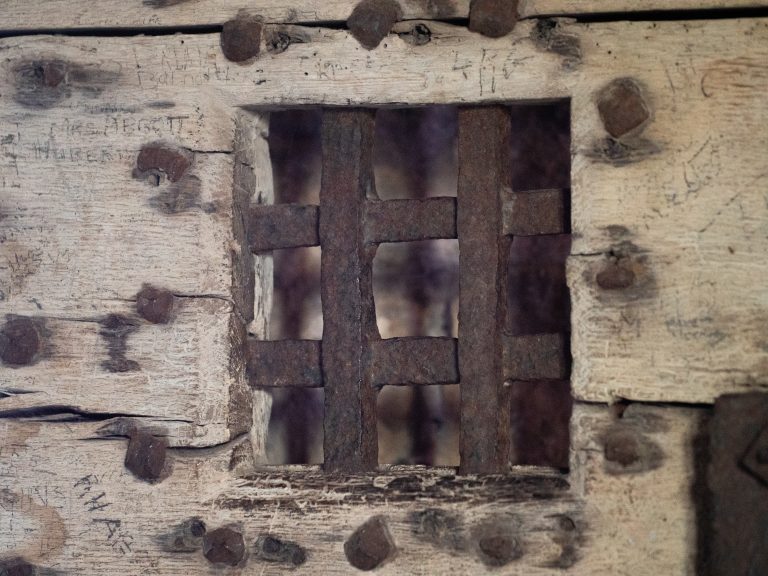
— 800 years of history
The Prison Cells
Step inside and you’ll quickly understand why this place held prisoners for over 400 years. These walls have seen it all.
From the 1470s, Ypres Tower housed vagabonds, vagrants, debtors, army deserters, murderers, suspected witches and smugglers. Ordinary people, caught up in extraordinary circumstances.
Life in these cells was brutal. Prisoners slept on filthy straw-covered floors, were restrained with leg and body irons, and survived on little more than bread, beer and water. Standing here, with those thick stone walls pressing in, it’s not hard to feel the weight of that.
One name stands out above the rest. In 1743, local butcher John Breads stabbed Deputy Mayor Allen Grebell in St Mary’s churchyard, having mistaken him for Mayor James Lamb, who had previously fined Breads for selling meat with false weights. Breads was locked up right here before his execution. His body was afterwards displayed in a gibbet cage on Gibbet Marsh for many years. A replica, complete with skeleton, is on display in the museum.
Prison reformer Elizabeth Fry visited Rye in 1835 and encouraged the corporation to build separate accommodation for women. The Women’s Tower followed in 1837, thought to be one of the earliest purpose-built women’s prisons in Britain. Find it at the end of the medieval herb garden.